
Diamond Stud Earring Size Guide: A Comprehensive Overview (12/17/2025 02:36:43)
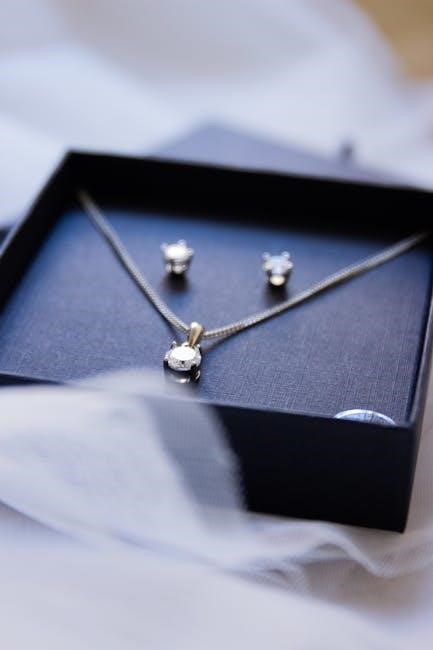
Navigating the world of diamond stud earrings requires understanding size nuances; this guide offers clarity on diamond sizes, carat weight, and how they appear on the ear․
We’ll explore charts for various cuts and provide insights into choosing the perfect size for your ear lobes, considering post types and visual perceptions․
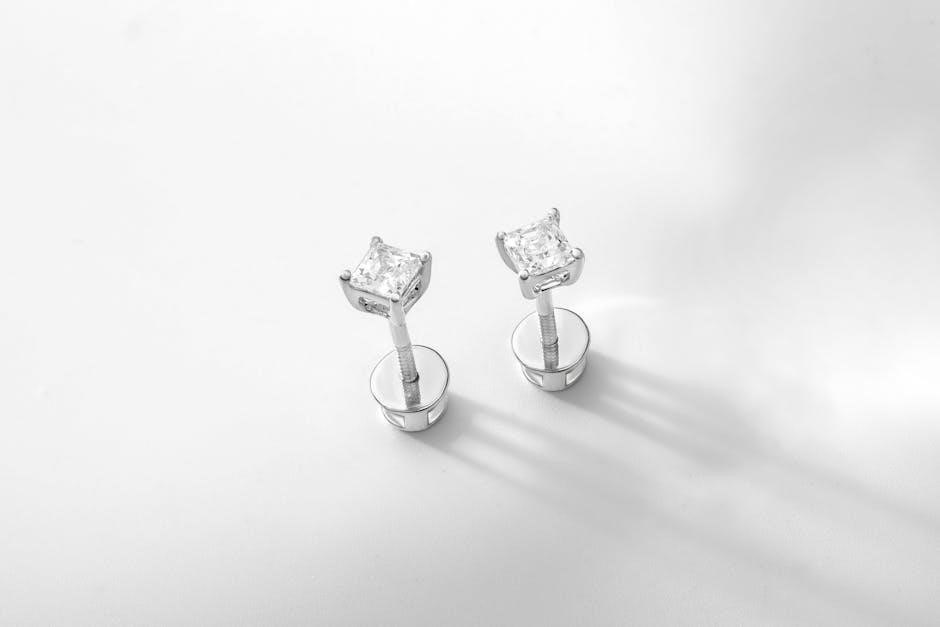
Understanding Diamond Earring Size Terminology
Embarking on the journey of selecting diamond stud earrings necessitates a grasp of specific terminology․ When discussing size, it’s crucial to differentiate between diameter – measured in millimeters (mm) – and carat weight․ Diameter refers to the width of the diamond itself, while carat weight indicates the diamond’s actual weight, impacting its price․
The term “size” can be ambiguous; therefore, clarity is paramount․ A diamond described as “small” typically falls within the 3-4mm diameter range (0․10-0․25 carat per stud), offering a subtle and delicate appearance․ “Medium” sizes generally measure 5-6mm (0․30-0․50 carat), providing noticeable sparkle for everyday wear․ Larger diamonds, 7mm and above (0;75+ carat), make a bolder statement․
Understanding these terms empowers you to communicate effectively with jewelers and make informed decisions․ Remember that carat weight doesn’t directly correlate to visual size; different cuts can appear larger or smaller at the same carat weight․
What Does “Size” Mean for Diamond Studs?
Defining “size” when it comes to diamond stud earrings isn’t as straightforward as a single measurement․ It encompasses both the diamond’s physical dimensions – its diameter in millimeters (mm) – and its weight, expressed in carats․ However, perceived size is also influenced by factors like diamond cut and setting style․
Generally, when people refer to size, they’re often thinking about how large the diamond will look on the ear․ A smaller diamond (3-4mm) offers a delicate, understated elegance, ideal for minimalists or second/third piercings․ A medium size (5-6mm) provides a balanced look – noticeable sparkle without being overwhelming․ Larger diamonds (7mm+) create a dramatic, eye-catching effect․
It’s important to remember that size is subjective and depends on individual preference and ear lobe proportions․ A diamond’s carat weight is a precise measurement, but its visual impact varies․ Therefore, considering both diameter and carat weight is crucial for selecting the perfect diamond studs․
Carat Weight vs․ Millimeter Size
Understanding the relationship between carat weight and millimeter (mm) size is fundamental when choosing diamond studs․ Carat refers to the diamond’s weight, not its physical dimensions․ One carat equals 200 milligrams․ However, diamonds of the same carat weight can have different sizes depending on their cut and proportions․
A diamond’s size, measured in millimeters, represents its diameter․ Generally, a 0․10 carat diamond is approximately 3mm, while a 0․25 carat diamond is around 4mm․ Moving up, a 0․30-0․50 carat diamond typically measures 5-6mm․ Larger diamonds, like those weighing 0․75 carats or more, start at 7mm and increase with weight․
It’s crucial to note that these are approximate conversions․ Different diamond cuts (round, princess, etc․) affect how carat weight translates to millimeter size․ A well-cut diamond will appear larger than a poorly cut one of the same weight․ Therefore, prioritize both carat and mm size for informed selection․
Diamond Shape and Size Perception
Diamond shape significantly influences how large a stud earring appears․ While carat weight remains consistent, different shapes distribute that weight differently, impacting perceived size․ Round brilliant cuts, being symmetrical, maximize light return and often look larger for a given carat weight․
Princess cuts, with their square shape, can appear slightly smaller than round diamonds of the same carat․ This is because the weight is spread across a broader surface area, rather than concentrated in a circular form․ Other fancy shapes, like pear or marquise, can create the illusion of greater size due to their elongated forms․
Consider your personal preference and ear lobe shape when choosing․ A princess cut might complement square jawlines, while a round cut offers classic brilliance․ Ultimately, perceived size is subjective; prioritize a shape that flatters your features and delivers the sparkle you desire, understanding how each shape interacts with light and weight distribution․
Diamond Size Charts for Common Cuts
Below, you’ll find detailed diamond size charts for popular cuts – round brilliant and princess – offering millimeter measurements correlated with carat weights for informed selection․
Round Brilliant Cut Diamond Size Chart
The round brilliant cut is a classic choice, celebrated for its exceptional sparkle and versatility․ Understanding its size variations is crucial when selecting diamond studs․ This chart provides approximate millimeter (mm) measurements corresponding to different carat weights, helping you visualize the diamond’s appearance on your ear․
| Carat Weight | Diameter (mm) |
|---|---|
| 0․10 Carat | 3․0 mm |
| 0․20 Carat | 3․8 mm |
| 0․25 Carat | 4․0 mm |
| 0․30 Carat | 4․3 mm |
| 0․40 Carat | 4․8 mm |
| 0․50 Carat | 5․2 mm |
| 0․60 Carat | 5․6 mm |
| 0․70 Carat | 6․0 mm |
| 1․00 Carat | 6;5 mm |
Remember that these are average measurements; slight variations can occur based on the diamond’s specific proportions․ Using this chart as a guide, you can confidently choose round brilliant cut studs that perfectly complement your style and preferences․
Princess Cut Diamond Size Chart
The princess cut, known for its square shape and brilliant sparkle, offers a modern and sophisticated aesthetic․ Its size is typically measured by its length and width in millimeters (mm), rather than diameter like round cuts․ This chart correlates carat weight with approximate dimensions, aiding in visualizing the stone’s appearance on your earlobe․
| Carat Weight | Length x Width (mm) |
|---|---|
| 0․10 Carat | 2․5 x 2․5 mm |
| 0․20 Carat | 3․0 x 3․0 mm |
| 0․25 Carat | 3․5 x 3;5 mm |
| 0․30 Carat | 4․0 x 4․0 mm |
| 0․40 Carat | 4․5 x 4․5 mm |
| 0․50 Carat | 5․0 x 5․0 mm |
| 0․75 Carat | 6․0 x 6․0 mm |
| 1․00 Carat | 6․5 x 6․5 mm |
Keep in mind that princess cuts can appear slightly larger than round diamonds of the same carat weight due to their shape․ This chart serves as a helpful reference when selecting princess cut diamond studs that suit your desired look․
Comparing Round vs․ Princess Cut Sizes
When deciding between round brilliant and princess cut diamond studs, understanding their size differences is crucial․ For the same carat weight, a princess cut diamond generally appears larger than a round diamond․ This is because the princess cut utilizes more of the diamond’s weight in its surface area, maximizing visual size․
A 0․50 carat round diamond typically measures around 5․2-5․3mm in diameter, while a 0․50 carat princess cut might measure 5․0 x 5․0mm․ Although the carat weight is identical, the princess cut’s square shape distributes the weight differently, creating a broader appearance․
Consider your personal preference and the desired aesthetic․ If maximizing visual size is a priority, a princess cut might be the better choice․ However, the classic brilliance and sparkle of a round diamond remain highly sought after․ Ultimately, both cuts offer stunning beauty, and the “best” choice depends on individual taste․
Carefully compare size charts for both cuts to visualize the difference before making a decision․
Choosing the Right Size for Your Ear Lobe
Selecting the ideal diamond stud size hinges on your ear lobe’s size and personal style; options range from subtle 3-4mm studs to bolder 7mm+ designs․
Consider carat weight and millimeter measurements for a balanced, comfortable, and visually appealing look․
Small Diamond Studs (3-4mm / 0․10-0․25 Carat)
Delicate and understated, small diamond studs – typically ranging from 3 to 4 millimeters in diameter and weighing 0․10 to 0․25 carats per stud – are an excellent choice for several scenarios․
These subtle gems are particularly well-suited for individuals who prefer a minimalist aesthetic or those seeking a first earring, a second, or even a third piercing option․ Their discreet sparkle adds a touch of elegance without being overpowering, making them ideal for everyday wear and professional settings․
Small studs are also a popular choice for children’s earrings due to their comfortable size and secure settings․ While offering a more modest visual impact compared to larger stones, these diamonds still possess a beautiful brilliance and fire․ They represent a classic and timeless style, offering a sophisticated touch to any ensemble․ They are a fantastic entry point into the world of diamond jewelry, providing quality and beauty in a compact form․
Consider these if you want something subtle!
Medium Diamond Studs (5-6mm / 0․30-0․50 Carat)
Striking a perfect balance between subtlety and noticeable sparkle, medium diamond studs – generally measuring 5 to 6 millimeters and weighing 0․30 to 0․50 carats each – represent a versatile and popular choice for diamond earring enthusiasts․
These studs offer “everyday elegance,” providing a significant visual presence without being overly extravagant․ They are suitable for a wide range of occasions, from casual outings to more formal events, seamlessly complementing various outfits and styles․ The size allows for a beautiful display of brilliance and fire, catching the light with every movement․
Medium-sized studs are often considered an ideal starting point for those building their diamond jewelry collection․ They offer a substantial look without the higher price tag associated with larger stones․ They are a classic and timeless option, appealing to a broad spectrum of tastes and preferences․ These studs are a fantastic way to add a touch of sophistication and glamour to your daily look, offering a noticeable yet refined sparkle․
They are a great all-around choice!
Large Diamond Studs (7mm+ / 0․75+ Carat)
Making a bold statement, large diamond studs – those measuring 7 millimeters or greater and boasting a carat weight of 0․75 carats or more per stone – exude luxury and sophistication․ These are for individuals who desire a prominent and eye-catching sparkle․
Such studs command attention and are often reserved for special occasions or as a symbol of significant achievement․ Their substantial size showcases the diamond’s brilliance and fire to its fullest potential, creating a dazzling effect․ They are a true investment piece, representing both beauty and value․
However, it’s crucial to consider ear lobe size and comfort when opting for larger studs․ Larger stones can feel heavier and may require stronger settings to ensure security․ They are best suited for those with larger earlobes that can comfortably support the weight and size․ These studs are a testament to refined taste and a celebration of exquisite craftsmanship․
They are a glamorous and unforgettable addition to any jewelry collection!
Earring Post and Back Considerations
Securing your investment, the earring post and back are vital for comfort and preventing loss; understanding gauge and post types – screw back versus push back – is essential․
Earring Post Gauge Explained
Understanding earring post gauge is crucial for a comfortable and secure fit․ Gauge refers to the thickness of the post, and it’s measured using a numerical system where a higher number indicates a thinner post․ Common gauges for diamond stud earrings range from 20 gauge to 24 gauge․ A 20 gauge post is thicker and more durable, suitable for heavier diamonds or those with larger earlobes․ Conversely, a 24 gauge post is finer and more delicate, often preferred for smaller diamonds and sensitive earlobes․
Choosing the correct gauge depends on several factors, including the weight of the diamond, the size of your earlobe piercing, and your personal preference․ A thicker post provides more support for heavier stones, reducing the risk of bending or breaking․ However, it may also be more noticeable or uncomfortable for those with smaller piercings․ Conversely, a thinner post is more discreet but may not be strong enough to support larger diamonds․ Always measure the widest part of the threaded portion of the earring post to ensure a proper fit․
Proper gauge selection contributes significantly to the overall comfort and security of your diamond studs․
Matching Post and Back Gauge for Security
Ensuring a secure fit for your diamond stud earrings hinges on meticulously matching the gauge of the earring post to the gauge of the ear nut (back)․ A mismatch can lead to loose earrings, increasing the risk of loss and discomfort․ The principle is simple: the post and back must align perfectly to create a snug, reliable connection․
If the back is too small for the post, it won’t grip securely, allowing the earring to wobble and potentially fall out․ Conversely, forcing a back that’s too large onto a post can damage the threading or even bend the post itself․ It’s vital to remember that a higher gauge number signifies a thinner component․ Therefore, a 20 gauge post requires a 20 gauge back, and a 24 gauge post needs a 24 gauge back․
Regularly check the security of your earrings, especially after wear, and replace backs if they become worn or damaged․ Prioritizing this detail safeguards your investment and provides lasting peace of mind․
Screw Back vs․ Push Back Post Types
Diamond stud earrings commonly feature two primary post types: screw backs and push backs․ Understanding their differences is crucial for selecting the best option based on security and convenience․ Push backs, also known as friction posts, are the more traditional and widely used style․ They utilize a straight post that slides through the earlobe and is held in place by a friction-fit clutch․
Screw backs, however, offer a significantly more secure closure․ These feature a threaded post that requires you to screw the back onto the post, creating a tighter, more robust connection․ This makes them ideal for valuable diamonds or for individuals prone to losing earrings․ While screw backs provide superior security, they can be slightly more time-consuming to put on and remove․
Ultimately, the choice between screw backs and push backs depends on your lifestyle and the value of your earrings․ For everyday wear with less expensive studs, push backs are often sufficient, while screw backs are recommended for precious diamonds and added peace of mind․
Factors Influencing Perceived Size
Perceived size isn’t solely about millimeters or carat weight; ear lobe dimensions, setting styles, and even metal color significantly impact how large diamonds appear․
Ear Lobe Size and Shape
The dimensions and form of your ear lobe play a crucial role in how diamond studs appear․ Larger lobes can comfortably accommodate and showcase bigger diamonds – think 7mm or above – without looking disproportionate․ Conversely, smaller lobes are best suited for more delicate studs, generally in the 3-5mm range․
Lobe shape also matters․ Lobes that are more rounded can visually “swallow” smaller diamonds, making them seem less noticeable․ For these, a slightly larger size might be preferable․ Lobes that are longer or more elongated can handle a wider variety of sizes and shapes․
Consider the overall balance; You want the earrings to complement your features, not overwhelm them․ If you’re unsure, it’s always best to start with a smaller size and gradually increase it until you find the perfect look․ Remember, personal preference is key!
Ultimately, assessing your ear lobe’s unique characteristics will guide you toward selecting diamond studs that enhance your natural beauty and style․
Setting Style and its Impact on Size
The setting of a diamond stud significantly influences its perceived size․ Prong settings, with minimal metal covering the diamond, maximize the visible surface area, making the diamond appear larger․ Bezel settings, where a metal rim surrounds the diamond, can make it seem slightly smaller, though they offer enhanced security․
Flush or tension settings, while modern and secure, often showcase less of the diamond, potentially diminishing its visual impact․ The thickness of the metal used in the setting also plays a role; thicker settings can detract from the diamond’s brilliance and apparent size․
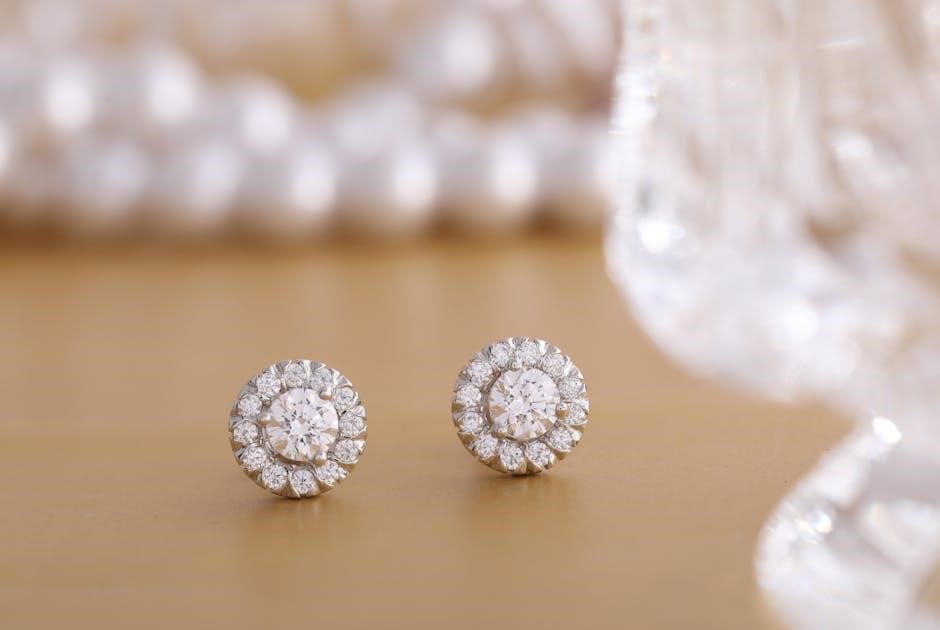
Halo settings, though less common in classic studs, surround the center diamond with smaller stones, creating the illusion of a larger overall size․ When comparing diamonds of the same carat weight, always consider the setting style, as it directly affects how large the diamond will look on your ear․
Choosing a setting that complements both the diamond and your personal style is crucial for achieving the desired aesthetic․
Metal Color and Visual Size Perception
The color of the metal used in diamond stud earrings subtly impacts how large the diamond appears․ White metals – platinum and white gold – create a stark contrast, making the diamond stand out and seem brighter, potentially enhancing its perceived size․
Yellow and rose gold, with their warmer tones, offer a softer look․ While beautiful, these metals can slightly diminish the diamond’s brilliance and may make it appear a touch smaller in comparison to white metal settings․ The contrast between the metal and the diamond is key․
Darker metals, like black rhodium plating, can create a dramatic effect, making the diamond appear exceptionally large and brilliant․ However, this is a more contemporary choice․ Consider your skin tone and personal preference when selecting a metal color, as it influences the overall aesthetic and perceived size․
Ultimately, the metal color should complement the diamond and enhance its beauty, contributing to the desired visual impact․